How to Buy a Used Excavator from Turkey: A Step-by-Step Guide
Turkey has one of the largest fleets of used construction equipment in the region. Contractors renew their machines regularly, so good used excavators, dozers and drill rigs come onto the market every month. Since 1998, Dincka Makina has been buying these machines directly from Turkish contractors and exporting them to buyers in Latin America and Africa. Here is how the process works.
1. Choose the machine and ask for the right details
Before you talk about price, ask the seller for:
- Year, serial number and hour meter reading (with a photo of the meter)
- A video of the machine starting cold and working – engine, hydraulics, swing and travel
- Photos of the undercarriage, bucket, cab and engine compartment
- Location of the machine
If a seller cannot send a working video, be careful.
2. Inspect the machine – or let someone inspect it for you
You are welcome to visit our yard and see the machine yourself. If you cannot travel, you can send an independent inspection company (for example SGS) or a local mechanic you trust. A good seller will never refuse an inspection.
3. Agree on price and delivery terms
Ask for a clear quote and the delivery term:
- FOB – the seller delivers the machine onto the ship at the Turkish port; you pay the sea freight.
- CFR / CIF – the seller also arranges the sea freight (CIF includes insurance) to your port.
Import duties and customs clearance in your country are normally handled by the buyer or the buyer's customs agent.
4. Pay safely
Pay only by bank transfer to the official company account shown on the proforma invoice – never to a personal account. Check that the company name on the invoice matches the company you are dealing with.
5. Export documents
For a used machine the usual export documents are:
- Commercial invoice and packing list
- Bill of lading (B/L)
- Certificate of origin, if your country requires it
Ask your customs agent in advance which documents your country needs.
6. Shipping
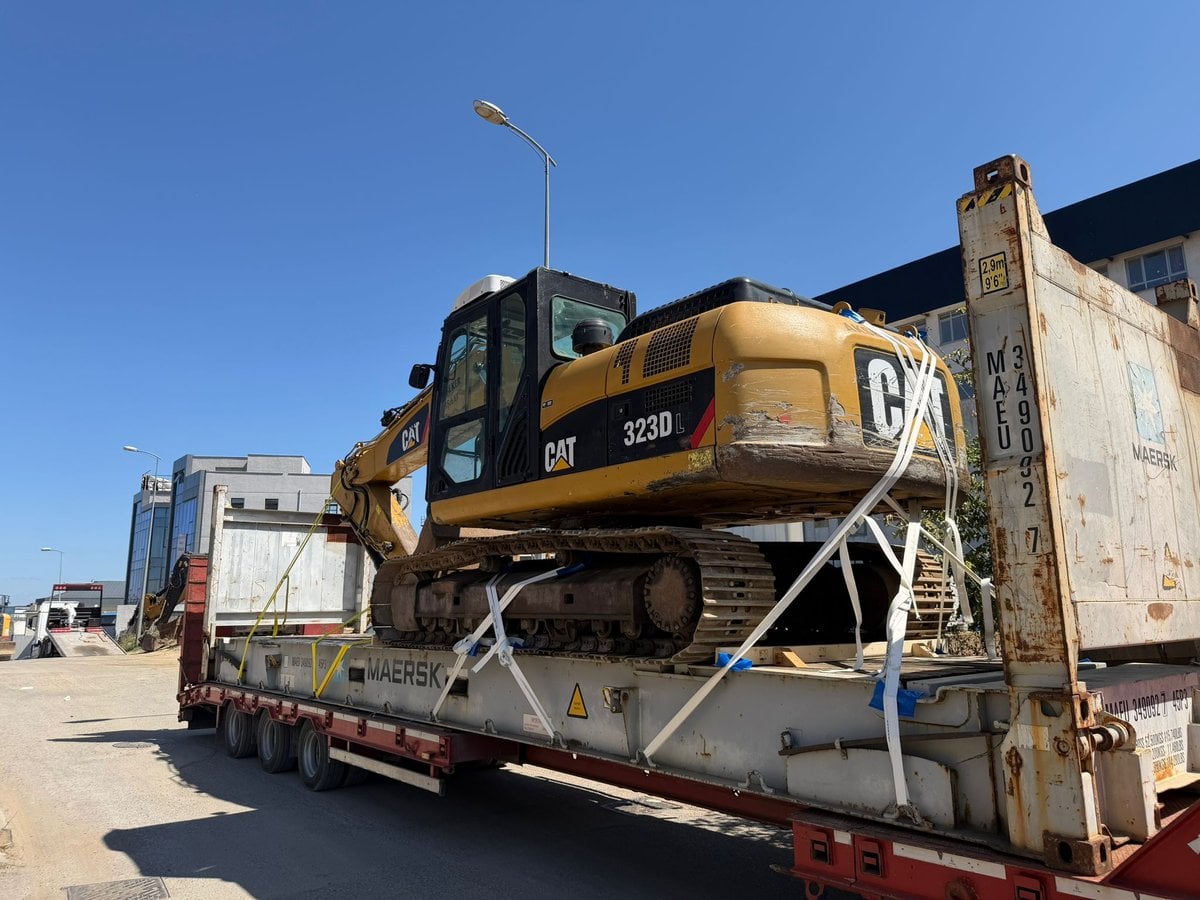
The machine is transported by lowbed truck from the yard to the port. Depending on size and destination it is shipped by RoRo vessel, on a flat rack container, or inside a standard container if it is small or partly dismantled. You receive photos of the loading and the bill of lading.
Quick checklist
- Working video and hour meter photo received
- Inspection done (in person or by an inspector)
- Clear quote with FOB or CFR/CIF term
- Payment only to the company bank account
- Export documents agreed with your customs agent
Have a question about a specific machine? Write to us on WhatsApp or see our used machines in stock.
Etiquetas: buyer guide
noviembre 13, 2026
Regresar a la lista
